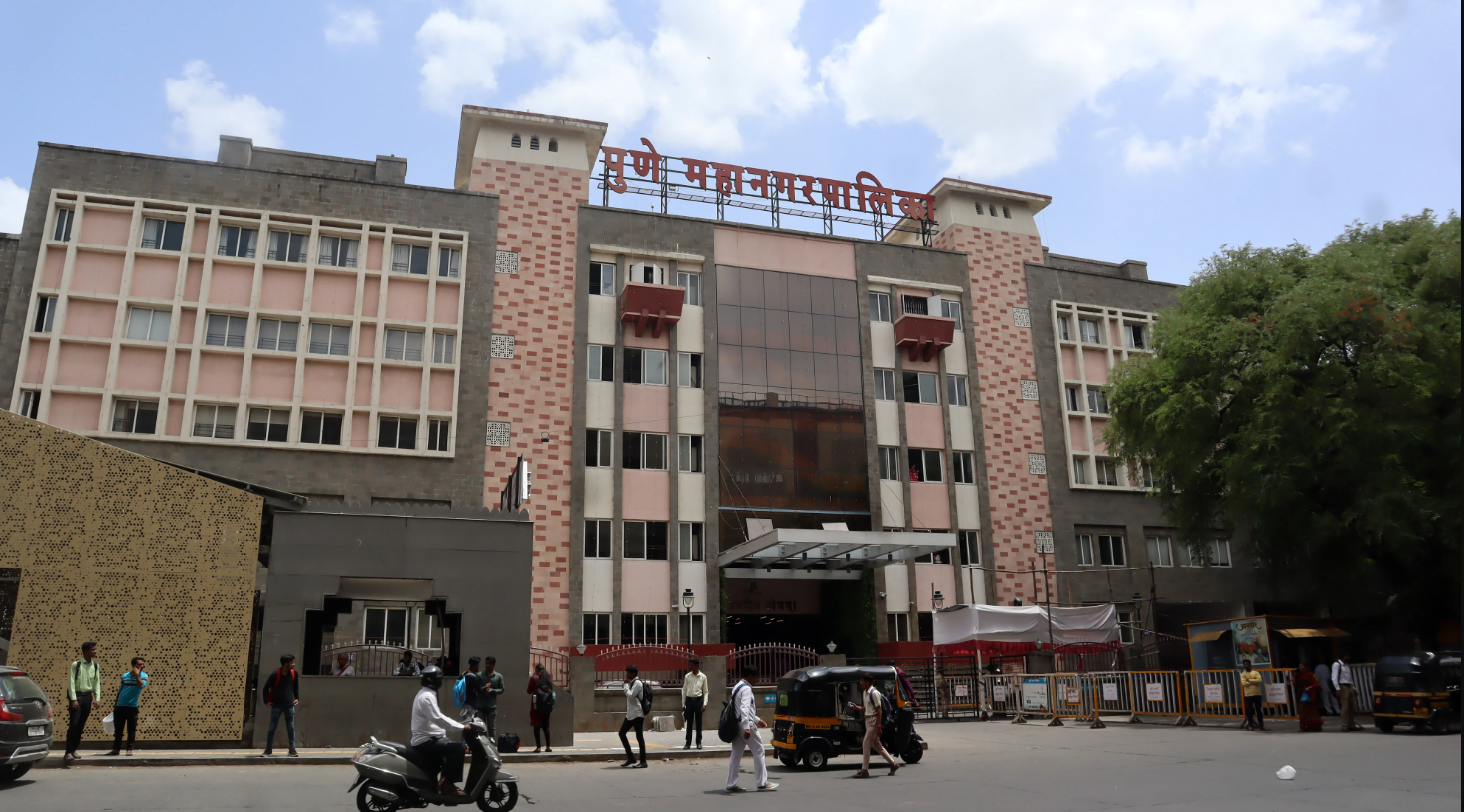
In Pune’s evolving political landscape, public infrastructure has taken on a dual purpose: serving civic utility while acting as a tool for political visibility. Assets like roads, gardens, hospitals, and water projects—traditionally viewed as public goods funded by taxpayers—are increasingly being used by politicians for personal branding, symbolic ownership, and voter recall. Across Maharashtra’s urban hubs, governance and image-building are steadily merging.
A recent snapshot of this transition occurred during the inauguration of the long-delayed Mohammadwadi water supply project by Chief Minister Devendra Fadnavis. The project is set to benefit nearly three lakh residents in Mohammadwadi, Undri, and adjacent areas who have suffered from chronic water shortages for years. While the Chief Minister publicly credited active citizen forums for persistently driving the project to completion, the event exposed notable political undercurrents.
Friction arose when local resident groups expressed a desire to meet the Chief Minister directly to discuss their efforts. Concurrently, local BJP MLC Yogesh Tilekar actively positioned himself at the center of the project’s promotional messaging. This triggered resentment among community advocates, who argued that grassroots citizen forums had sustained pressure on the administration for years, while political figures only materialized when it was time to cut the ribbon. This incident underscores a broader trend in urban Maharashtra: intense political competition to claim credit for civic developments.
This sense of ownership is frequently expressed through symbolic branding, particularly the naming of public properties. A recent controversy emerged over a new civic cancer hospital in Baner, which was initially slated to be named after the father of Standing Committee Chairman Shrinath Bhimale. This sparked public pushback, especially since a similar controversy occurred in 2022 when a Pune Municipal Corporation (PMC) garden at Salisbury Park was named after the same leader’s father, drawing sharp criticism from local residents.
The debate expanded following a Hindustan Times investigation revealing that at least 32 public gardens across Pune had been named after the relatives of corporators from various political parties. These actions directly bypassed a 2000 PMC resolution stating that public gardens should ideally be named after national figures or noted environmentalists. Ultimately, to prevent political embarrassment for the Chief Minister ahead of Sunday’s event, BJP leaders removed the controversial name from the hospital, spotlighting how public infrastructure is frequently leveraged for personal legacy-building.
- 30-Year-Old Pune Techie Electrocuted While Sleeping with Electric Hot Water Bag
-
-
-