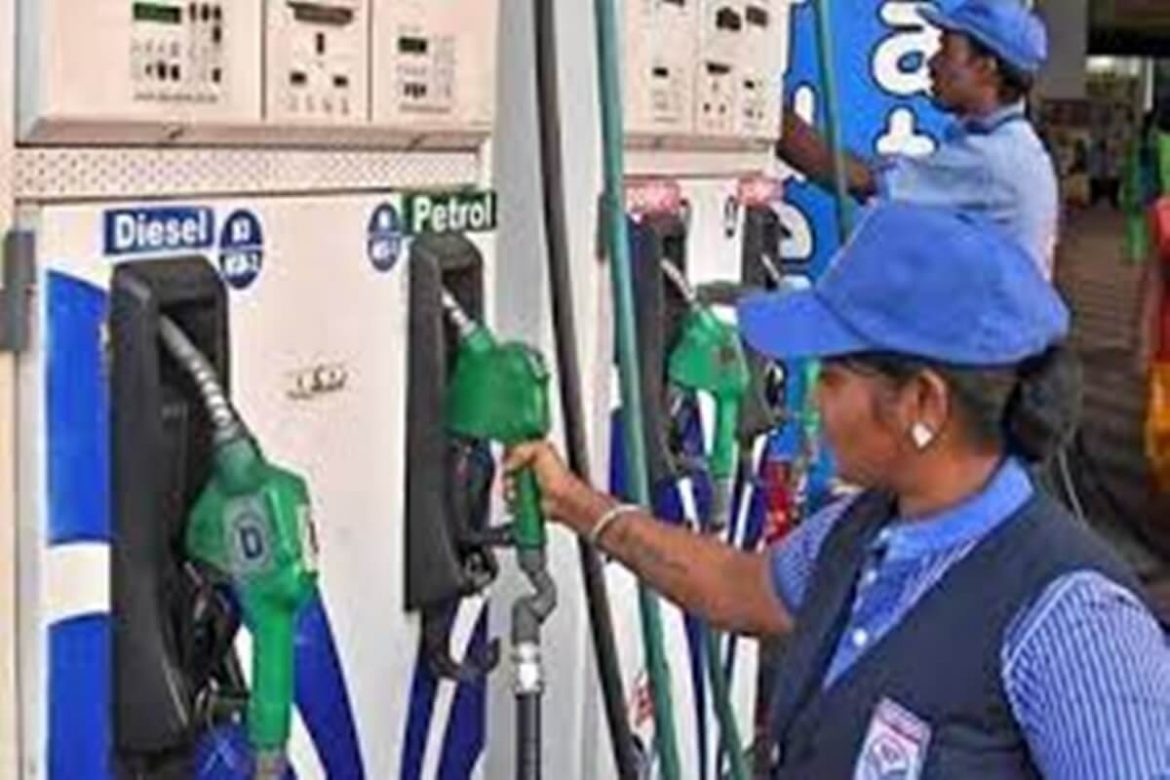
The government’s introduction of E-85 petrol—a fuel blend of 85% ethanol that is ₹18 to ₹20 cheaper than regular petrol—promises financial relief for motorists. However, local petrol pump dealers are raising red flags over a lack of proper infrastructure and the risk of fuel degradation, which could trigger future disputes between vehicle owners and pump operators.
While E-85 is not yet widely available across Nagpur, Bharat Petroleum Corporation Limited (BPCL) has already rolled it out at four city fuel stations: Umred Road, Medical Square, Manewada, and Byramji Town. More BPCL outlets are expected to follow soon, while Indian Oil (IOC) and Hindustan Petroleum (HPCL) plan to introduce the fuel at their stations in the coming months.
Despite the cost and environmental benefits, dealers warn that ethanol-blended fuel is highly sensitive to moisture. Even a single drop of water can cause the ethanol to separate from the petrol, potentially stalling or damaging engines—a risk that skyrockets for two-wheelers during the monsoon. Furthermore, E-85 has a short storage life; if left unused for months, it deteriorates, requiring a full and costly tank cleanout. Industry experts emphasize that for E-85 to succeed, the city needs a more robust supply chain infrastructure and a larger market share of E-85-compatible vehicles.
Nagpur motorists can now buy E-85 petrol (85% ethanol blend) at a massive discount of ₹18–20 cheaper per liter than regular petrol. However, local fuel dealers are urging caution due to technical risks.
Where is it available? Currently, BPCL has launched E-85 at four locations in Nagpur, with more coming soon:
- Umred Road
- Medical Square
- Manewada
- Byramji Town (Note: IOC and HPCL stations will roll out the fuel in the coming months).
However, the primary technical worry for dealers is that ethanol-blended fuel is highly sensitive to water contamination. If even a small amount of moisture enters the tank, the ethanol can separate from the petrol, creating a faulty mixture that can stall or damage vehicle engines. Dealers note that this risk is particularly dangerous for two-wheelers during the heavy monsoon season.