Hyundai Motor India Evaluates Sites in Gujarat and Maharashtra for Third Factory

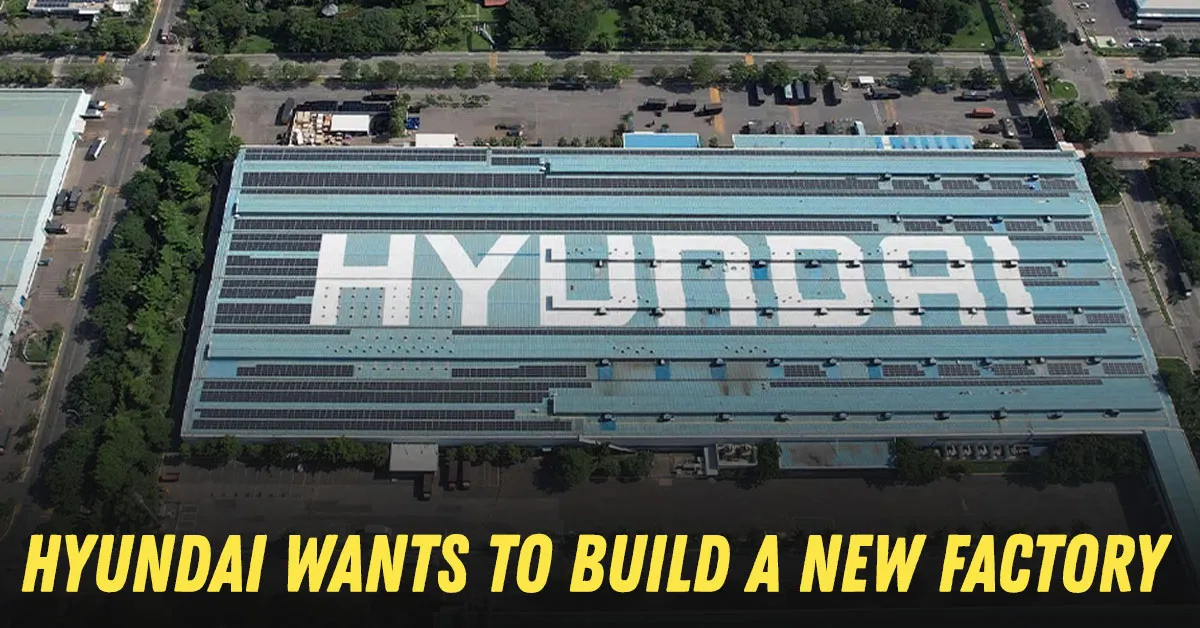
Hyundai Motor India is actively studying sites for a third manufacturing plant in India, even as it continues ramping up operations at its newly commissioned facility in Pune. The automaker is reportedly evaluating potential locations across Gujarat and Maharashtra to support its ambitious long-term volume targets for domestic sales and international exports. While the project remains in the feasibility stage with no official site, investment figure, or start-of-production timeline finalized, the move indicates that Hyundai’s combined footprint in Chennai and Pune will not suffice for its growth strategy later this decade.
The company’s existing annual production capacity across Chennai and Pune currently stands at approximately 9.94 lakh units. This capacity is scheduled to rise to 10.74 lakh units by 2028 and reach nearly 11.44 lakh units by 2030 through ongoing expansions at Pune. However, surging demand driven by new SUV launches, rising rural buying power, and expanding export commitments has pushed the manufacturer to accelerate its plans. In fact, Hyundai recently advanced the addition of a third shift at its Pune plant to October 2026, boosting immediate capacity to 1.7 lakh units, with future phases targeted to reach 3 lakh units. Overall FY26 production targets have been increased by 50,000 units to roughly 8.2 lakh vehicles.
Hyundai has committed to 26 product interventions by FY2030, comprising 20 combustion-engine models and six electric vehicles. Furthermore, India serves as a crucial global export hub for Hyundai, servicing markets across the Middle East, Africa, Latin America, and Asia. Export demand is set to rise significantly, illustrated by the latest Venue SUV, whose export volume is projected to grow from 6,500 units to up to 20,000 units across 35 countries. Establishing a fresh, independent manufacturing base in either Gujarat or Maharashtra—both boasting rich automotive supply chains and superior port connectivity—will give Hyundai the operational flexibility required to sustain its aggressive market expansion without over-relying on its established complexes.