The numbers paint a striking picture. A vehicle registered before 2000 can emit as much pollution as about 11 modern BS-6 cars, while an old truck may pollute as much as 14 of today’s cleaner trucks. Viewed this way, restricting older, more polluting vehicles from entering Pune’s busiest areas doesn’t seem unreasonable.Cities rarely transform overnight with grand announcements.
Instead, they evolve gradually through policies that may sound technical at first but eventually reshape everyday life.One such initiative under discussion in Pune is the creation of a Low Emission Zone (LEZ) in the Shivajinagar and Peth areas of central Pune. A meeting on March 13 at the district collectorate, led by PMC chief Naval Kishore Ram, district collector Jitendra Dudi, and city engineer Aniruddha Pawaskar, brought key stakeholders together to explore the proposal. Hindustan Times covered the discussions in detail.
The plan, still being debated among Pune Municipal Corporation (PMC) officials, district administrators, and transport planners, aims to restrict highly polluting vehicles from entering this zone unless they pay a pollution charge.While this may initially sound like just another bureaucratic experiment, serious implementation could mark a turning point in Pune’s approach to a long-neglected issue vehicular air pollution.
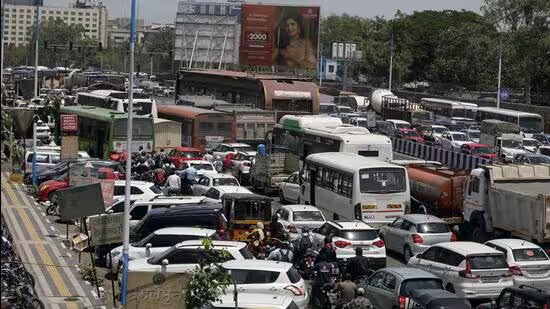
For years, Pune has taken comfort in the belief that it is cleaner and less polluted than metros like Delhi or Mumbai, often imagining itself as breezy, green, and breathable. Yet hard data tells a different story.Studies show that nearly 46% of PM2.5 pollution in the Pune metropolitan area stems from vehicles. These tiny particles are particularly harmful as they penetrate deep into lungs and the bloodstream.
Meanwhile, a 2023 survey found that about 70% of vehicles in Pune and Pimpri-Chinchwad still operate on Bharat Stage-4 or older engines, even though India has transitioned to the stricter Bharat Stage-6 emission standards, which drastically cut particulate emissions.Given this stark contrast, the idea of limiting older vehicles’ access to the city’s most congested areas gains more weight.Shivajinagar and the peths are logical starting points.