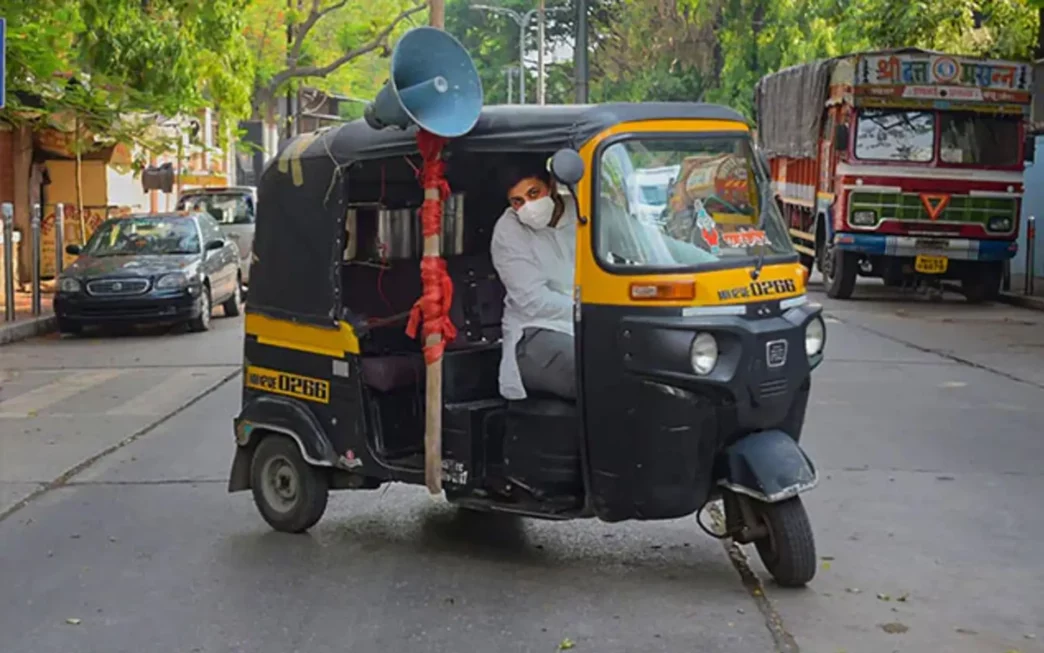
In a bold move to bridge the communication gap between transport providers and the public, the Regional Transport Office (RTO) Nagpur has announced that basic proficiency in Marathi is now mandatory for all auto-rickshaw and taxi drivers.
Starting May 1, 2026, the RTO will launch a 100-day special campaign designed to ensure that the city’s estimated 22,000 drivers can effectively read, speak, and understand the local language.
The “Marathi First” Inspection Drive
Beginning this Friday, RTO officials will conduct field inspections across the city to assess the language skills of permit holders. Drivers will be tested on their ability to interact with passengers in Marathi and their understanding of local signboards and traffic instructions. While the primary goal is educational, officials have warned that drivers who show no effort to understand or speak the language may face administrative action under existing regional transport rules.
Support and Training Programs
Recognizing that many drivers come from diverse linguistic backgrounds, the RTO is not just enforcing a rule but offering a solution. Drivers who struggle with the language will be enrolled in Marathi learning sessions organized in collaboration with local NGOs and educational institutions. The training will focus on “functional Marathi”—practical phrases for fare negotiation, directions, and emergency communication. Most transport unions in Nagpur have welcomed the move, agreeing that a better grasp of the local language will reduce friction and misunderstandings between drivers and passengers.
Why the Change?
According to RTO officials, proficiency in the state language is a prerequisite for public service in Maharashtra.
- Enhanced Communication: The initiative aims to make the commute smoother for senior citizens and local residents who primarily speak Marathi.
- Safety & Compliance: A better understanding of Marathi-language signages and government circulars is expected to improve overall road safety and rule compliance.
What’s Next?
The campaign will be closely monitored for the next three months. Following the 100-day mark, the RTO will conduct a comprehensive review. Further licensing requirements or strict compliance measures will be determined based on the success of this initial training and inspection phase.