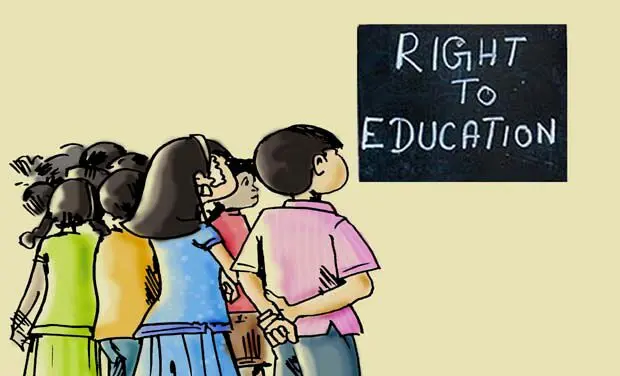
The Right to Education (RTE) Act reserves 25% of private school seats for children from economically weaker and disadvantaged sections. However, official data from the last five academic years shows that Nagpur has failed to fill all reserved seats in any single year, leaving thousands of opportunities vacant.
The RTE quota aims to provide children from marginalized families access to quality private education. Despite this goal, parents face recurring obstacles every year. Long admission delays, frequent online technical glitches, complex documentation requirements, and slow administrative follow-up routinely disrupt the process. Unfortunate delays in planning further stalled admissions last year. While private RTE seats sit empty, government schools struggle with dropping enrollment and quality issues, exposing broader flaws in the state’s education system.
Child rights activists emphasize that vacant RTE seats represent more than just numbers on paper. Every empty desk means an underprivileged child is denied their constitutional right to quality schooling. Since local educational authorities are responsible for managing the quota, critics question who will take accountability for these repeated failures.
Ashish Phulzele from the Manavadhikar Sanrakshan Manch stressed that the government must fix its system if it wants to achieve full enrollment. He warned that promoting a 25% reservation without solving operational issues turns the right to education into an empty promise for poor families.
- 2022-23 Academic Year: 6,186 seats reserved, 5,424 admissions completed, 762 seats vacant (87.7% fill rate).
- 2023-24 Academic Year: 6,457 seats reserved, 5,095 admissions completed, 1,482 seats vacant (76.4% fill rate).
- 2024-25 Academic Year: 6,920 seats reserved, 5,393 admissions completed, 1,527 seats vacant (77.9% fill rate).
Without urgent reforms to simplify administrative procedures, clear technical errors, and streamline verification, thousands of reserved school seats in Nagpur will continue to go unused each year. Stay tuned to know more about it and others only with us and if you have anything to say do comment and share your thoughts.